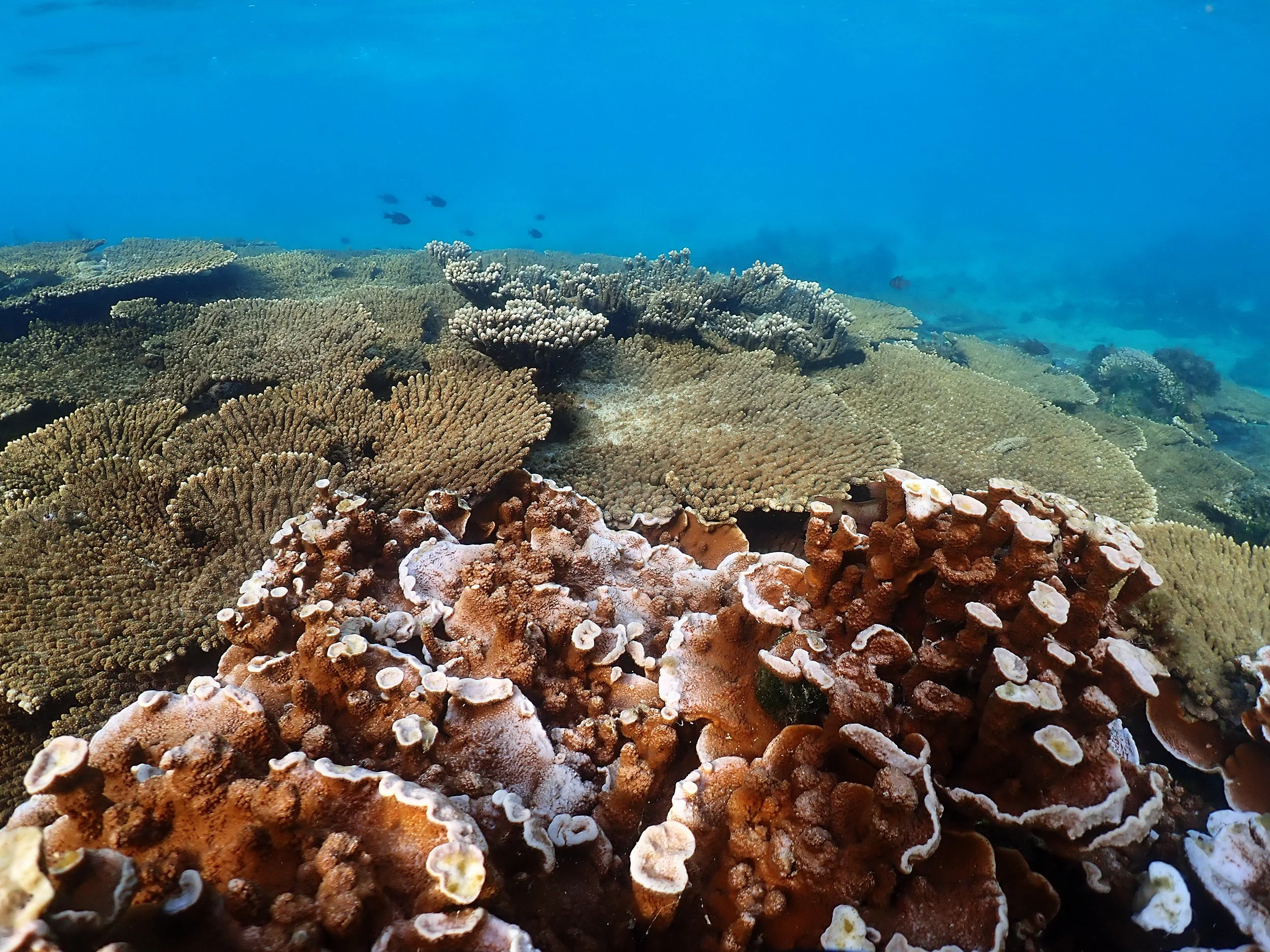
Two major new coral reef reports carry a clear message for Norfolk Island: reefs can recover when pressures ease, but the time available for recovery is shrinking. Norfolk Islanders were raising concerns about water quality, runoff and the health of Emily and Slaughter Bays nearly forty years ago. Today we have much better science, a changing climate and a far clearer understanding of how closely the catchment and reef are connected. This article looks at what that means for water quality, long-term monitoring, dredging and how we manage Kingston from land to sea.
Read MoreA recent Australian Government media release presents investment, monitoring and catchment works as progress on Norfolk Island’s water quality. Some of that work is useful, and some of it was badly needed. But activity is not the same as proven improvement. This post looks at Kingston sewerage, wetlands, cattle, acid sulfate soils, groundwater and reef health, and asks whether Emily Bay and Slaughter Bay are actually being better protected.
Read MoreThis correspondence with DCCEEW is about more than one dredging proposal. It is about what happens when an ecologically distinctive place is assessed through standard tools that do not always make its most important values easy to see. I am publishing it here because that is something we need to be aware of, both on Norfolk Island and more broadly in Australia.
Read MoreKingston dredging is edging closer, and the paper trail is growing. This post brings together earlier correspondence with the Department and the latest media release so readers can see what has been asked, what has been answered, and what still remains unclear about the project, its rationale, and the protections proposed for the reef.
Read MoreGreen Mountain – the name I give this coral in my database – is a coral I’ve photographed for years as I swim past. Then I found its backstory in the Norfolk Island National Parks archives: a rough map, reused paper, a note in the margin – ‘still thriving’. That’s how baselines begin.
Read MoreHammer corals have unique tentacles that are large, fleshy, and tubular; these terminate in a ‘T’-shaped, hammer-head or anchor. Beneath all these softly waving tentacles is an extraordinary skeleton structure, which helps define them as a large polyp stony coral.
Read MoreThey look alike at first glance, but Alveopora and flowerpot corals are not the same. The easiest way to tell them apart is to count the tentacles.
Read MoreI took these photographs this morning, Monday, 8 December 2025. A few warm days of settled weather, little cloud cover and low tides in the hottest part of the day have led to some early bleaching on our reef. Bleaching doesn’t always mean death for our corals, but it is concerning to have this so early in the summer season. Fingers crossed the conditions don’t last and the reef can recover.
Read MoreFrom Miami to Fiji, from Dubai to tiny village harbours on atolls, dredging near coral reefs has left a long trail of scars – even on ‘small’ projects. This follow-up to last week’s Kingston post walks through real examples of what happened elsewhere, and what that should make us think about before we dig up our own reef.
Read MoreHow much risk are we really taking with the planned dredging at Kingston Pier – and how much protection do our corals actually have on paper? This piece walks through what the federal approval does and doesn’t guarantee, explains why sediment and light matter so much to the reef, and asks the hard questions we need answered before we trade a deeper channel for a shallower future.
Read MoreI’ve tracked one plating Acropora coral from 2021 to 2025. In just a few weeks, white syndrome wiped it out. Nearly four years years on, it’s still smothered in algae and sea squirts, with only the tiniest hint of new growth. It’s a stark reminder: without tackling the root cause, we’re just watching the same sad story repeat itself.
Read MoreSome corals wear more than one colour for a reason. When Paragoniastrea australensis colonies fuse early in life, they form living mosaics. A beautiful reminder of coral cooperation on Norfolk Island’s reef.
Read MoreToday, 28 July, is World Nature Conservation Day. After the dry 2024, Norfolk Island’s reef is looking healthier – a brief reprieve as less water - laden with nutrients - flowed into the lagoon. These photos show what’s possible. It’s a reminder that recovery is within reach – though renewed runoff could quickly undo the gains.
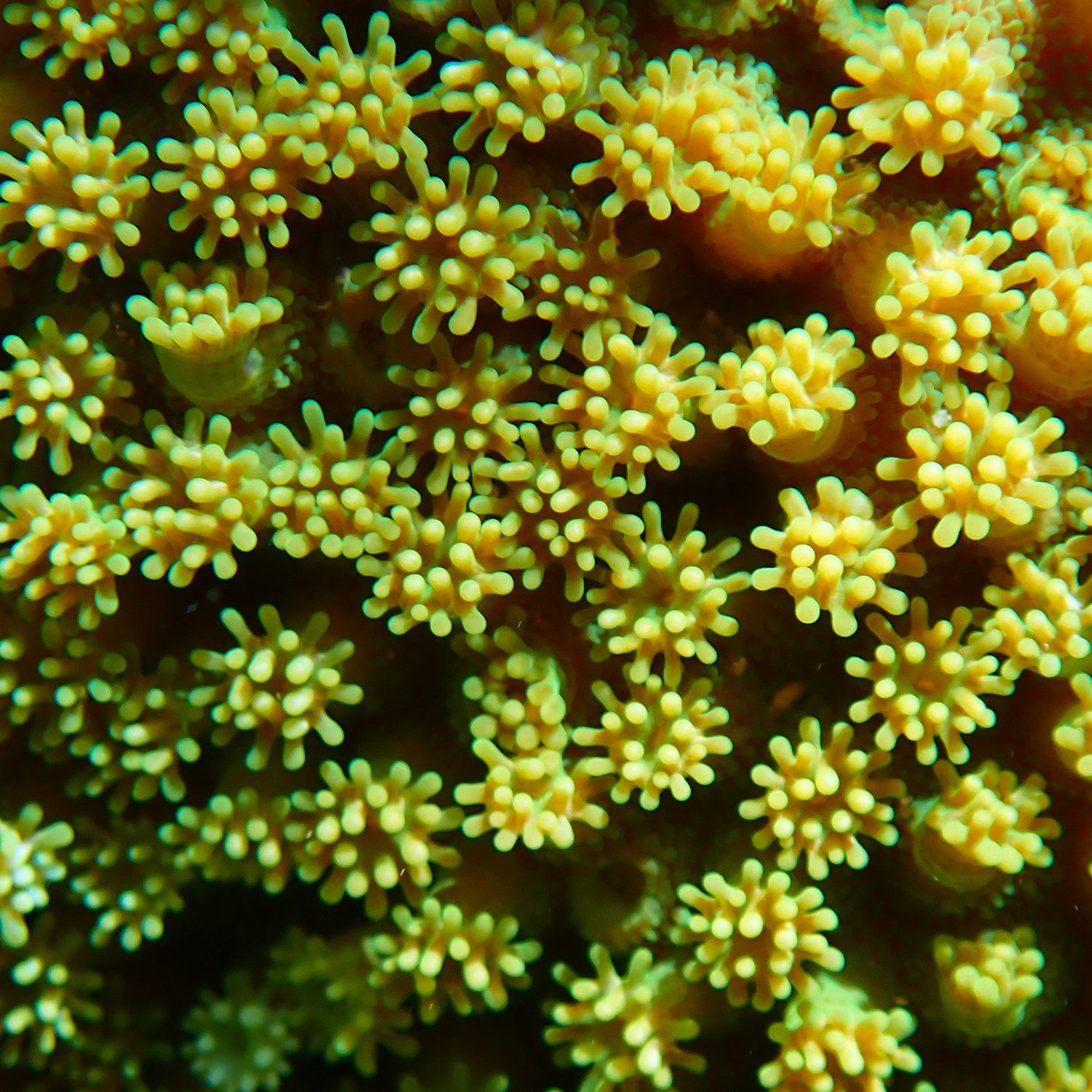
Read MoreAstrea curta corals are ‘small, moderately plocoid [flattened], distinct, and almost circular’ . Normally grey-green in colour, you can see from the images here, ours are often beautiful rich gold, although they do vary. They have a neat growth habit and button-like corallites, which can grow in columns, spherically or flattened. Large colonies of these can form gorgeous undulating bumps.
Read MoreLast week, the chance of coral bleaching in Norfolk Island’s inshore lagoons was raised from ‘Watch’ to ‘Warning’ and will more than likely rise to Alert levels one and two in coming weeks. So why do I worry about water quality all the time when bleaching seems inevitable these days and so the reef is probably doomed anyway? Read on to find out.
Read MoreIf corals had characters, then the Paragoniastrea spp. would be described as feisty, or even downright aggressive when it comes to asserting itself over its neighbours. They are also rather colourful.
Read MoreGorgeous, boring brown, Montipora corals! These beautiful coral colonies (and remember, these consist of loads of tiny little animals, which work together to create these amazing shapes) are one of our key reef-building corals. There are around 85 known species belonging to the Montipora genus.
Read MoreOne of the first corals to catch my eye when I set out with my new camera in January 2020 was this stunning boulder coral that sits off the Salt House in Emily Bay. Regular swimmers would all be aware of its presence, but not many would realise that it is quite possibly an as-yet undescribed species of coral, which for the moment is known as Lobophyllia recta sensu Veron.
Read MoreThis massive and incredibly slow-growing Paragoniastrea australensis sits in Emily Bay on Norfolk Island and is one of our most recognisable bommies. While all looks reasonably calm during the day, at night, while you are sleeping, the surface of the coral colony seethes with millions of tiny tentacles busily reaching out to find food, while others aggressively ward off opportunistic interlopers.
Read MoreNorfolk Island’s reef is one of Australia’s most southerly. It isn’t showy like the Great Barrier Reef, and I often hear the comment that it is a little dowdy – boring and brown. I’m here to tell you that it is anything but.
For this little photo essay I randomly selected just a handful of my many ‘boring, brown’ coral images to demonstrate my point. I barely scratched the surface of my photo library, yet I think you will agree, the diversity is just amazing!
Read More