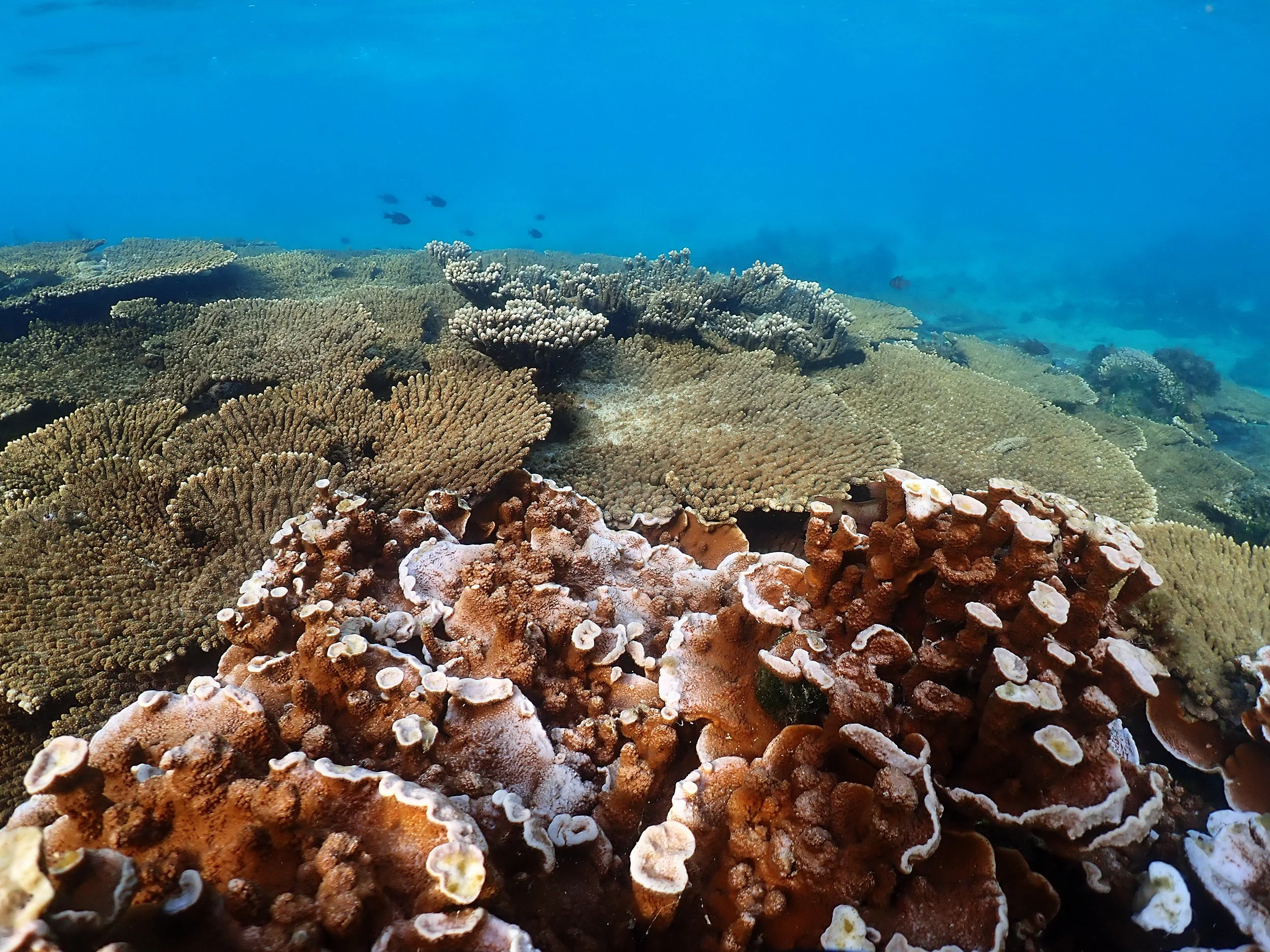
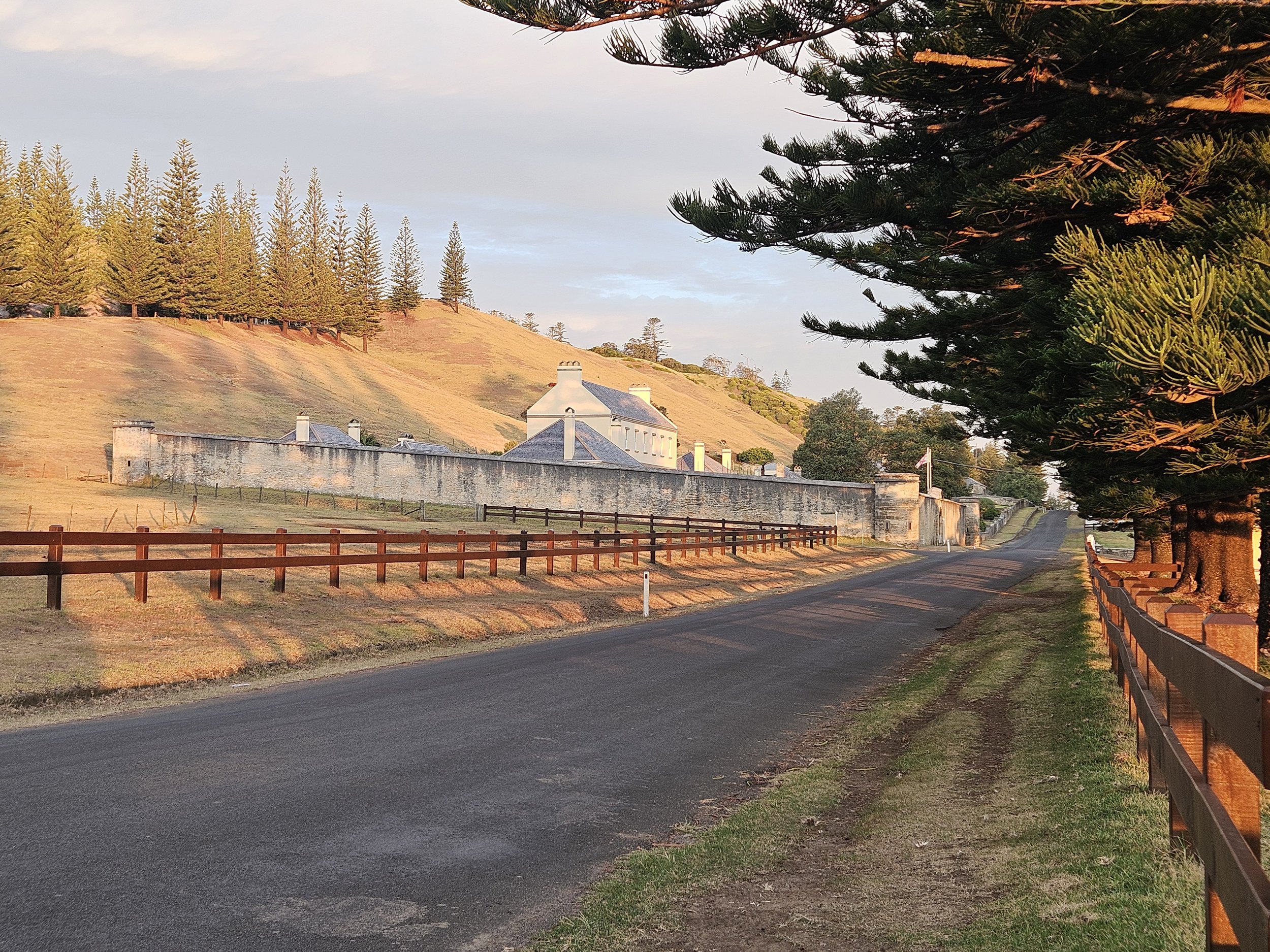
Two major new coral reef reports carry a clear message for Norfolk Island: reefs can recover when pressures ease, but the time available for recovery is shrinking. Norfolk Islanders were raising concerns about water quality, runoff and the health of Emily and Slaughter Bays nearly forty years ago. Today we have much better science, a changing climate and a far clearer understanding of how closely the catchment and reef are connected. This article looks at what that means for water quality, long-term monitoring, dredging and how we manage Kingston from land to sea.
Read MoreLet the pictures do the talking. This is the reality on Norfolk Island’s reef today, laid out in a two-minute video.
Read MoreThis correspondence with DCCEEW is about more than one dredging proposal. It is about what happens when an ecologically distinctive place is assessed through standard tools that do not always make its most important values easy to see. I am publishing it here because that is something we need to be aware of, both on Norfolk Island and more broadly in Australia.
Read MoreGreen Mountain – the name I give this coral in my database – is a coral I’ve photographed for years as I swim past. Then I found its backstory in the Norfolk Island National Parks archives: a rough map, reused paper, a note in the margin – ‘still thriving’. That’s how baselines begin.
Read MoreHammer corals have unique tentacles that are large, fleshy, and tubular; these terminate in a ‘T’-shaped, hammer-head or anchor. Beneath all these softly waving tentacles is an extraordinary skeleton structure, which helps define them as a large polyp stony coral.
Read MoreThey look alike at first glance, but Alveopora and flowerpot corals are not the same. The easiest way to tell them apart is to count the tentacles.
Read MoreReef space is finite, and nothing ‘shares’ it politely. This short photo essay follows one bubble-tip anemone on Norfolk Island’s lagoonal reef as it holds a crater surrounded by Montipora. The coral builds a rim; the anemone holds the centre. Six years apart, and the argument continues.
Read MoreNorfolk Island’s reef in 2025 – a year in review. From NOAA bleaching alerts and the UN Ocean Conference ‘Warning Signs’ series to post-drought coral recovery and a wet winter revealed in long-term rainfall records, this post captures the wins, losses, and shifting baselines beneath the lagoon. Includes reef photos, highlights from Reef Relief, and standout stories from 2025 – from coral health and disease to boxfish biomimicry, sea urchins, nudibranchs, and heat-stress signals in anemones.
Read MoreI took these photographs this morning, Monday, 8 December 2025. A few warm days of settled weather, little cloud cover and low tides in the hottest part of the day have led to some early bleaching on our reef. Bleaching doesn’t always mean death for our corals, but it is concerning to have this so early in the summer season. Fingers crossed the conditions don’t last and the reef can recover.
Read MoreFrom Miami to Fiji, from Dubai to tiny village harbours on atolls, dredging near coral reefs has left a long trail of scars – even on ‘small’ projects. This follow-up to last week’s Kingston post walks through real examples of what happened elsewhere, and what that should make us think about before we dig up our own reef.
Read MoreHow much risk are we really taking with the planned dredging at Kingston Pier – and how much protection do our corals actually have on paper? This piece walks through what the federal approval does and doesn’t guarantee, explains why sediment and light matter so much to the reef, and asks the hard questions we need answered before we trade a deeper channel for a shallower future.
Read MoreSeptember is Biodiversity Month – the perfect time to celebrate the astonishing variety of life on Norfolk Island’s reef. From new fish sightings to coral mosaics, every observation is a reminder of how much there is still to learn and protect.
Read more about why biodiversity matters, globally and right here in our lagoon.
Read MoreDay 6 of this photo series from Norfolk Island coincides with the final day of the UN Ocean Conference in Nice. After a week of documenting decline, today’s post offers a different view – what reef recovery can look like when conditions improve. Drought in 2024 gave the reef a break, and the results were unmistakable: healthier corals, lower disease, and more fish. This is what’s possible if we act.
Read MoreDay 5 of my blog series for the UN Ocean Conference: two long-lived coral colonies in Norfolk’s lagoon died quietly from disease. No drama – just slow collapse and overgrowth by algae. A reminder that not all reef losses are loud, but they are happening.
Read MoreDay 4 of a week-long photo series from Norfolk Island, shared during the UN Ocean Conference in Nice. Today’s post spotlights a Hydnophora pilosa colony where white syndrome appeared suddenly and spread quickly, taking out around a quarter of the coral. In the months that followed, algae quietly filled the gap – a subtle but telling shift from coral to algae that’s happening across the reef.
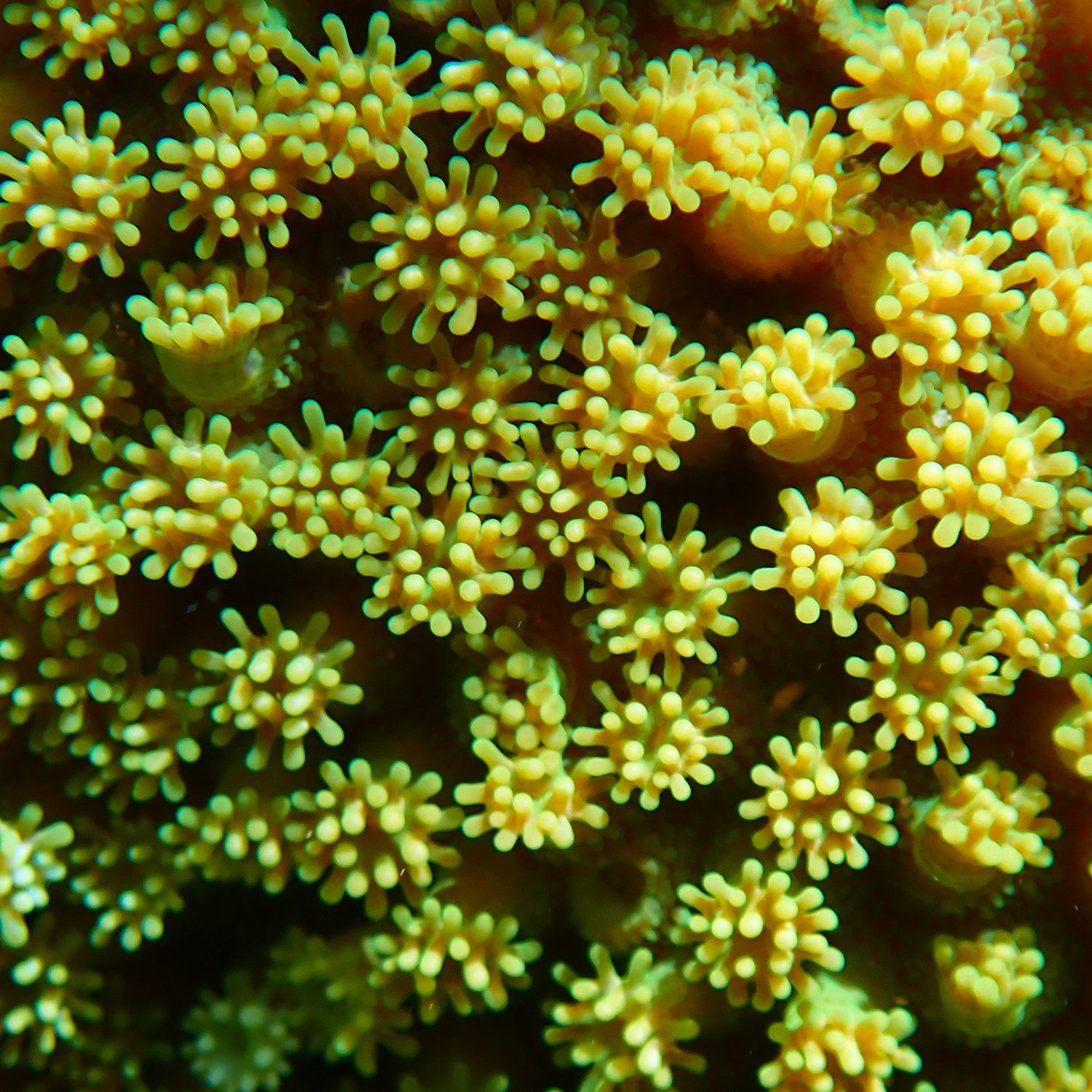
Read MoreAstrea curta corals are ‘small, moderately plocoid [flattened], distinct, and almost circular’ . Normally grey-green in colour, you can see from the images here, ours are often beautiful rich gold, although they do vary. They have a neat growth habit and button-like corallites, which can grow in columns, spherically or flattened. Large colonies of these can form gorgeous undulating bumps.
Read MoreLast week, the chance of coral bleaching in Norfolk Island’s inshore lagoons was raised from ‘Watch’ to ‘Warning’ and will more than likely rise to Alert levels one and two in coming weeks. So why do I worry about water quality all the time when bleaching seems inevitable these days and so the reef is probably doomed anyway? Read on to find out.
Read MoreIt is five years since I began wielding a camera underwater in Norfolk Island’s lagoons and my third ‘year in review’ for this ‘Out on a swim’ blog. And what a journey it has been. At least this year I have some great news to report, but – a bit like a curate’s egg (partly bad and partly good) – there are also some downers. Find out what 2024 has meant for Norfolk Island’s reef.
Read MoreIf corals had characters, then the Paragoniastrea spp. would be described as feisty, or even downright aggressive when it comes to asserting itself over its neighbours. They are also rather colourful.
Read MoreIf disease were spreading through our native forests, if our trees were developing strange growths that hollowed them out, making them brittle in the face of each passing storm, would five years have slid by with the problem worsening by the day? That is exactly what is happening on Norfolk Island’s reef. Slowly, insidiously, it is dying and turning to slime.
Read More