• Home
    • Algae
    • Corals
    • Eels
    • Everything Else
    • Kingston, Norfolk Island
    • Nudibranchs, Sea Slugs and Flatworms
    • Octopuses
    • Out On A Swim Index
    • Reef Fish
    • Sharks
    • Sea Anemones
    • Sea Stars
    • Sea Urchins and Sea Cucumbers
    • Turtles
    • Underwater
    • Videos
  • Out on a swim - blog
  • About
  • Contact + Subscribe
Menu

Norfolk Island's Reef

Discover a fragile paradise – Norfolk Island's beaches, lagoons and coral reef
  • Home
  • Explore
    • Algae
    • Corals
    • Eels
    • Everything Else
    • Kingston, Norfolk Island
    • Nudibranchs, Sea Slugs and Flatworms
    • Octopuses
    • Out On A Swim Index
    • Reef Fish
    • Sharks
    • Sea Anemones
    • Sea Stars
    • Sea Urchins and Sea Cucumbers
    • Turtles
    • Underwater
    • Videos
  • Out on a swim - blog
  • About
  • Contact + Subscribe

Out on A Swim

‘Out on a swim’ is a coral reef blog that tells the stories of the characters who live under the waves and what has caught my eye when ‘out on a swim’ in the lagoons of Norfolk Island. It is also a record of the difficulties Norfolk Island’s reef faces, like many others around the world, as a result of the poor water quality that has been allowed to flow onto it.

This page shows the most recent blog posts. For the complete catalogue, visit the ‘Out on a swim index’ page.

This blog is rated in the Top 20 Coral Reef Blogs in the world.

No results found

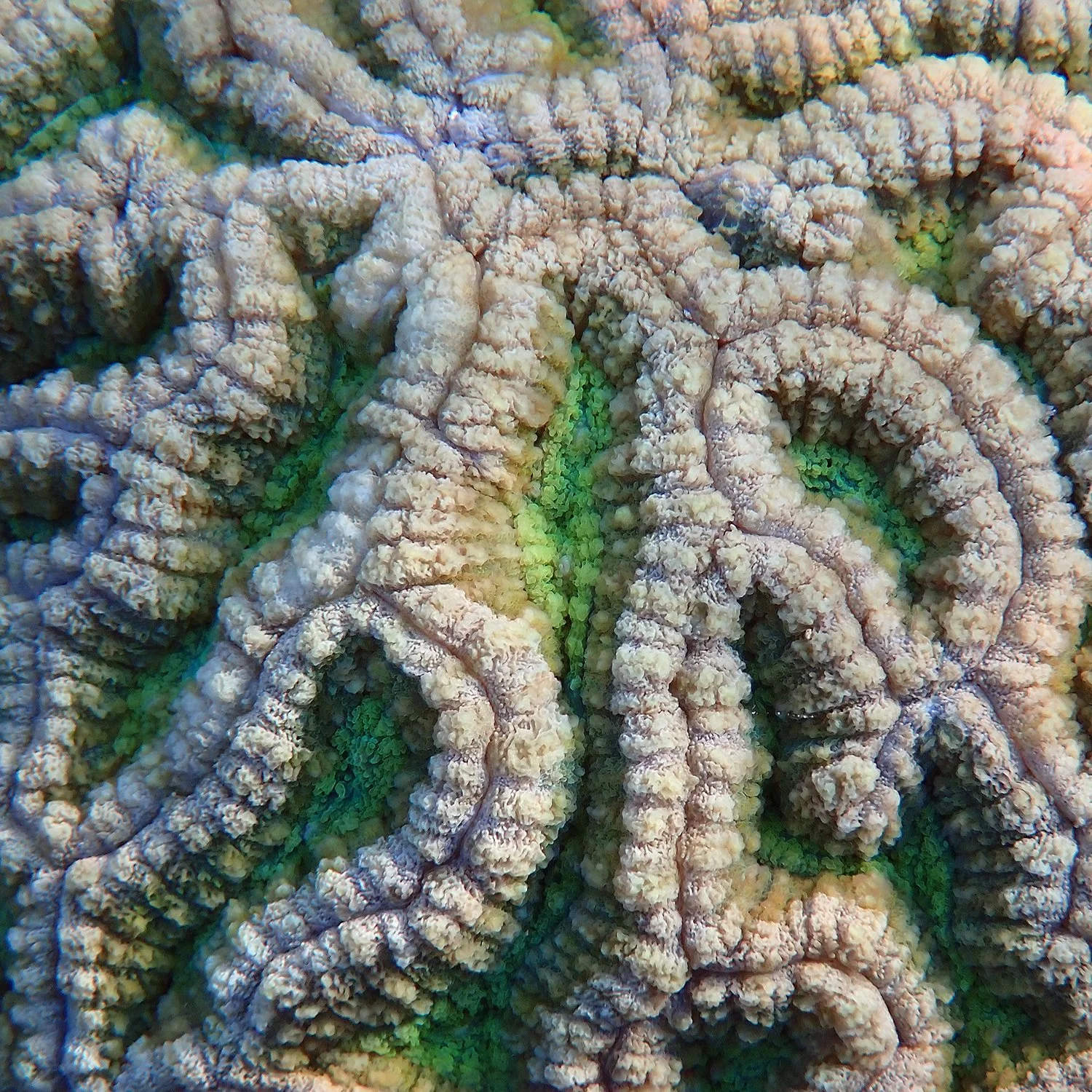
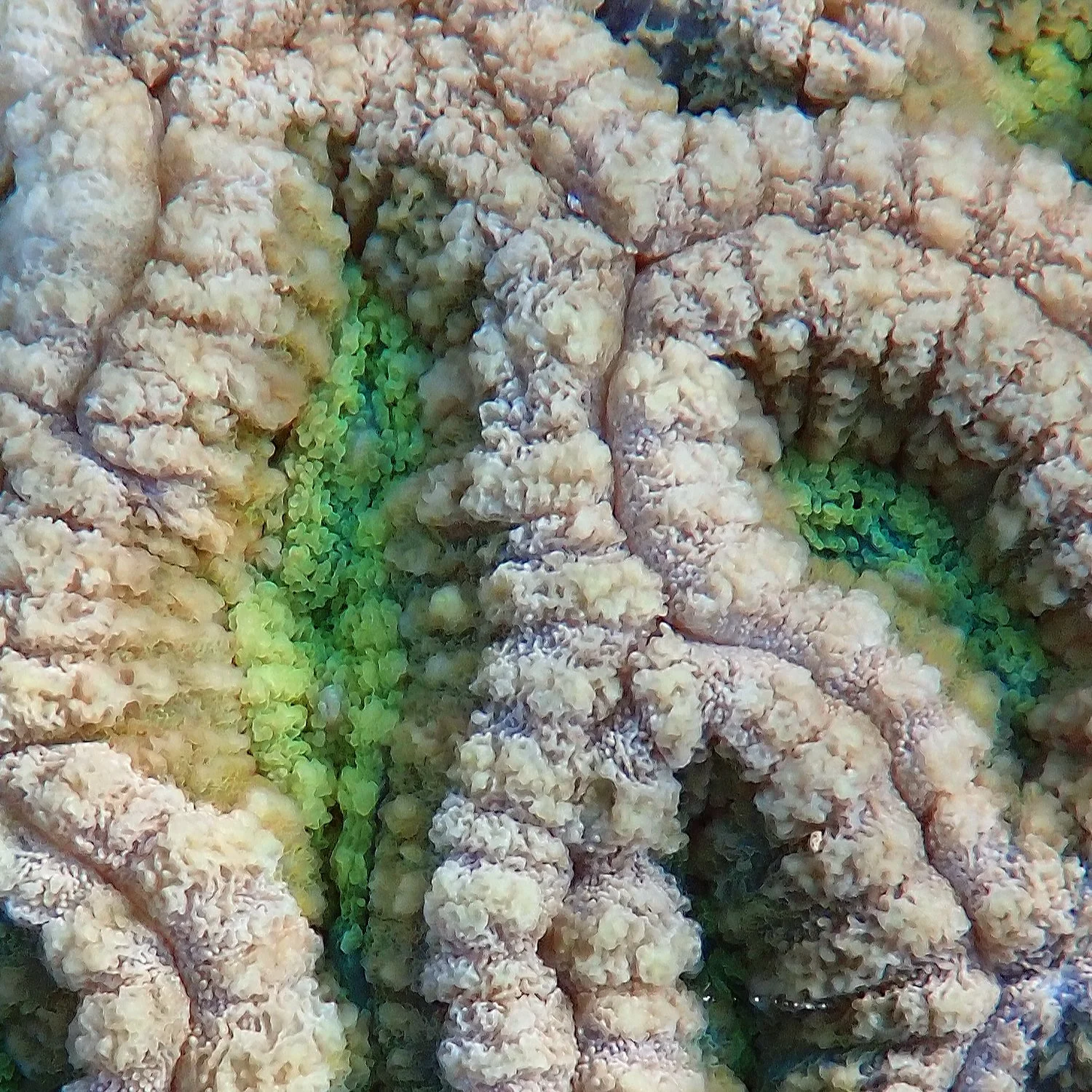
You may call this beauty 'Lobophyllia recta sensu Veron'

September 15, 2024

Photograph taken in January 2020

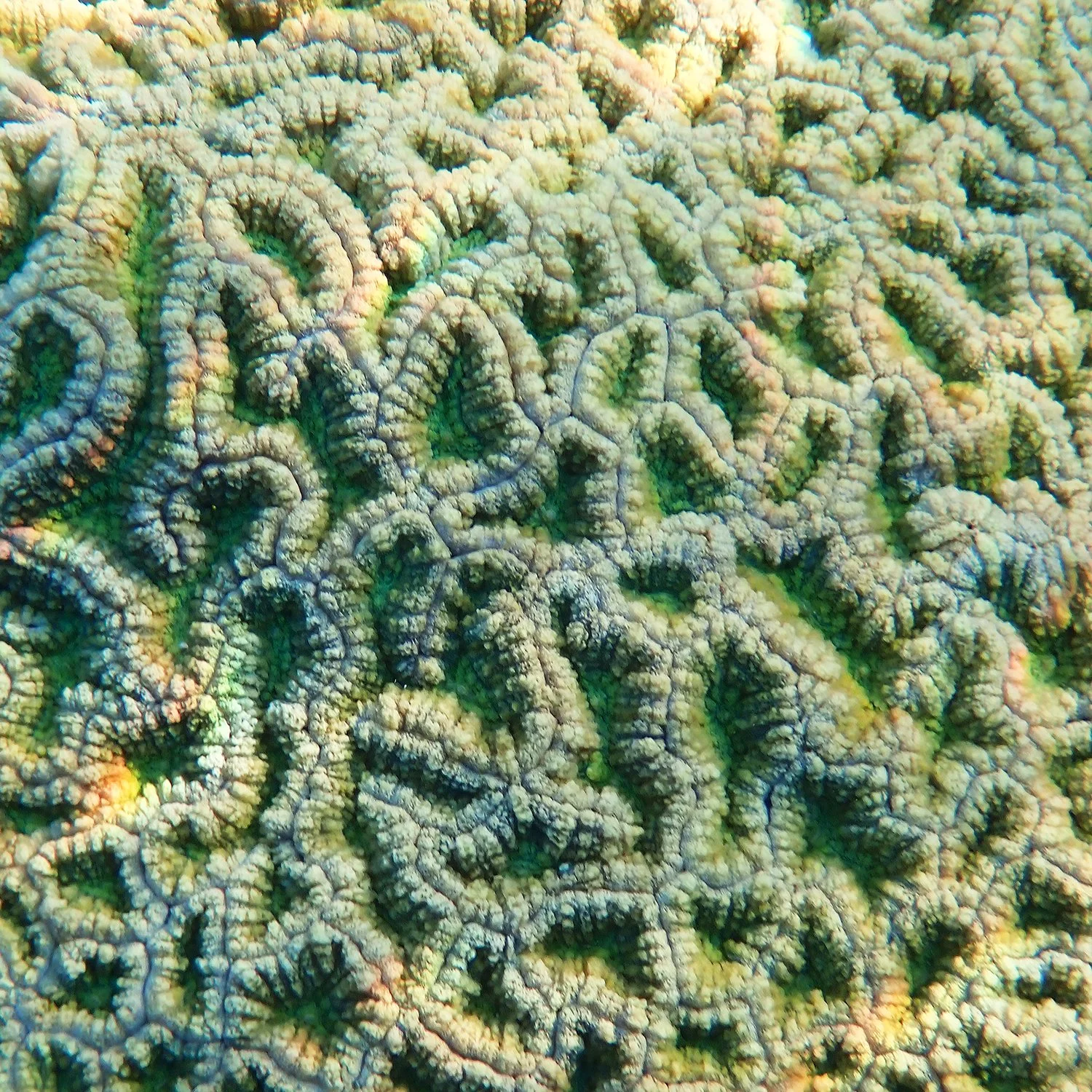
I started photographing Norfolk Island’s inshore reefs in January 2020, with a new camera that I had been given for Christmas. One of the first corals to catch my eye was this stunner. Unfortunately, I didn’t take a wide shot, but I did take this image (right).

In May 2021, Professor Andrew Baird, a coral taxonimost from James Cook University, chanced across my coral photos on this website and wrote to me asking for more information. One of the ones he was interested in seeing more images of was this one.

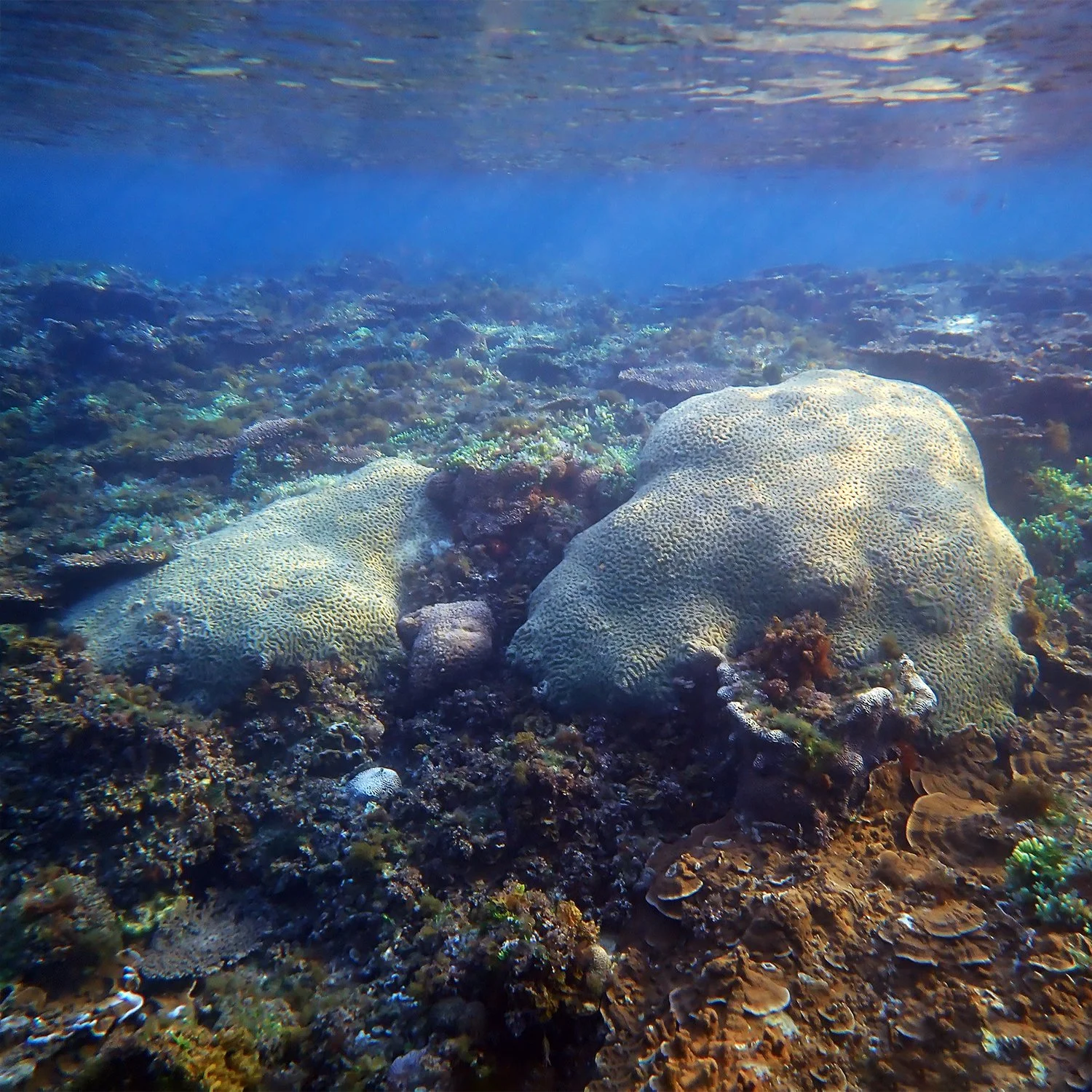
Regular snorkellers will be familiar with this stunning boulder coral that sits off the Salt House in Emily Bay. I’d love to know from long-time residents how long they’ve been aware of it.

If you read my blog post ‘Barometers of life’ – National Threatened Species Day, I mention how difficult it is to protect species that are not yet described. This beauty is one such. Baird believes this coral is ‘almost certainly undescribed’, but said I could call it Lobophyllia recta sensu Veron for the moment.

I don’t know of any other colonies of this coral species inside the lagoons, but I will keep looking!

Next time you are swimming past (if you are lucky enough to be snorkelling in our lagoons), then give a nod to this magnificent colony – a quite possibly rare endemic species found here on Norfolk Island.
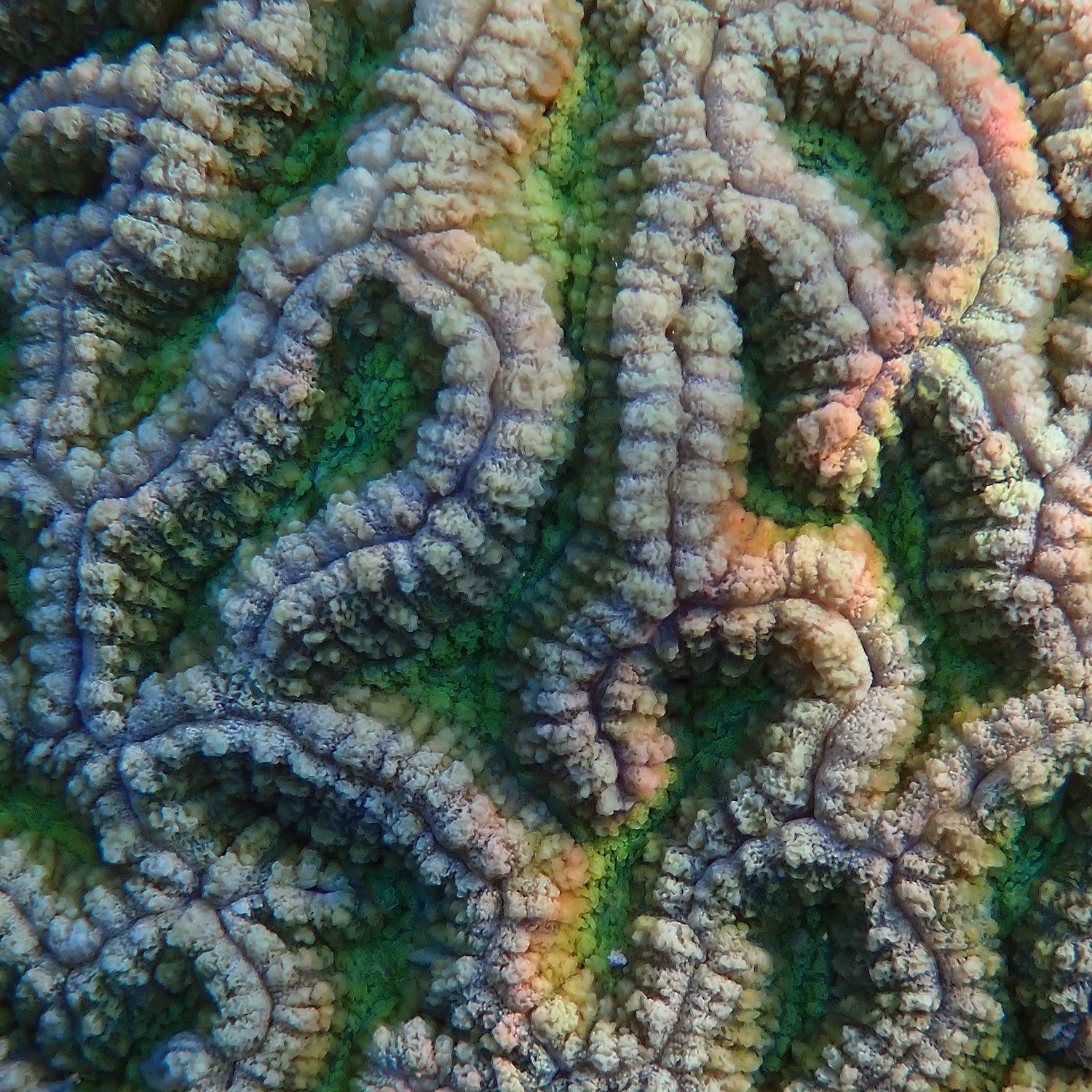
View fullsize 9 Sep 2024 (34)_crop.jpg
View fullsize 9 Sep 2024 (35)_crop.jpg
View fullsize 9 Sep 2024 (36)_crop.jpg
View fullsize 9 Sep 2024 (36)_crop2.jpg
In Corals Tags corals, coral reef, threatened species, endemic species, endemic, Stony coral, boulder coral
← Taking stock. Which way from here?'Barometers of life' – National Threatened Species Day →
Featured
From ridge to reef: unpicking the Waterway and Wetland Strategy
July 24, 2026
From ridge to reef: unpicking the Waterway and Wetland Strategy
July 24, 2026

Norfolk Island’s draft Waterway and Wetland Strategy will guide work for the next ten years. I support its intent, but it needs to be clear, practical and measurable – joining the dots from ridge to reef so we know whether public money is improving water quality and helping the reef.

July 24, 2026
Reef reality in pictures
July 13, 2026
Reef reality in pictures
July 13, 2026

Let the pictures do the talking. This is the reality on Norfolk Island’s reef today, laid out in a two-minute video.

July 13, 2026
The red seaweed behind low-methane beef
June 28, 2026
The red seaweed behind low-methane beef
June 28, 2026

A small red seaweed on Norfolk’s reef has become part of a much bigger story. Asparagopsis taxiformis can look like a delicate red feather duster or, at another stage of its life cycle, like a tiny cottony pom-pom. It is beautiful, easily overlooked, and now being used in the cattle industry to help reduce methane emissions. This post looks at the reef oddity behind the low-methane beef story – and why repeated local observation can be more useful than it first appears.

June 28, 2026
From coral scar to aatuti farm
June 20, 2026
From coral scar to aatuti farm
June 20, 2026

Aatuti are bold little algae farmers, but how does one of their farms begin? Over the past year, I have been following several coral patches as small white scars became algal footholds, then larger defended patches. I still cannot say what caused the first wounds, but the photo sequences show something fascinating: on a reef where algae is already gaining ground, even tiny changes on the coral surface can become part of a much bigger story.

June 20, 2026
Norfolk’s water quality – when action is reported as outcome
June 15, 2026
Norfolk’s water quality – when action is reported as outcome
June 15, 2026

A recent Australian Government media release presents investment, monitoring and catchment works as progress on Norfolk Island’s water quality. Some of that work is useful, and some of it was badly needed. But activity is not the same as proven improvement. This post looks at Kingston sewerage, wetlands, cattle, acid sulfate soils, groundwater and reef health, and asks whether Emily Bay and Slaughter Bay are actually being better protected.

June 15, 2026
How surgeonfishes got their name
June 14, 2026
How surgeonfishes got their name
June 14, 2026

Surgeonfish are named for the sharp little scalpels near their tails, but on Norfolk’s reef their more useful work happens at the other end. Pencil surgeonfish, bluespine unicornfish and their relatives help browse algae across the reef – a small daily job that becomes very valuable on an algae-rich lagoon reef like ours.

June 14, 2026
A shrimp storm
May 28, 2026
A shrimp storm
May 28, 2026

While setting my research cams last week, I swam into what looked like an underwater snowstorm. It appeared to be the aftermath of a mass moulting event, with large numbers of tiny, translucent shrimp-like exoskeletons drifting together near the surface.

May 28, 2026
Kingston dredging: what happens when a reef does not fit the framework
May 28, 2026
Kingston dredging: what happens when a reef does not fit the framework
May 28, 2026

This correspondence with DCCEEW is about more than one dredging proposal. It is about what happens when an ecologically distinctive place is assessed through standard tools that do not always make its most important values easy to see. I am publishing it here because that is something we need to be aware of, both on Norfolk Island and more broadly in Australia.

May 28, 2026
Kingston dredging: the project advances, the questions remain
May 24, 2026
Kingston dredging: the project advances, the questions remain
May 24, 2026

Kingston dredging is edging closer, and the paper trail is growing. This post brings together earlier correspondence with the Department and the latest media release so readers can see what has been asked, what has been answered, and what still remains unclear about the project, its rationale, and the protections proposed for the reef.

May 24, 2026
The lime-green coral in Slaughter Bay – a 40-year paper trail
May 17, 2026
The lime-green coral in Slaughter Bay – a 40-year paper trail
May 17, 2026

Green Mountain – the name I give this coral in my database – is a coral I’ve photographed for years as I swim past. Then I found its backstory in the Norfolk Island National Parks archives: a rough map, reused paper, a note in the margin – ‘still thriving’. That’s how baselines begin.

May 17, 2026

Latest Posts

© 2026 All rights reserved.