
In the first article of this series, The neighbours – six years of watching the same reef, I introduced some of the corals I’ve been photographing since 2020, and how their little neighbourhoods have changed over time.
This time, I thought we’d concentrate on some of the more encouraging stories. I’ve spent a lot of time looking at photographs of sick, damaged and dead corals while putting this series together. But there are also colonies that have grown enormously, others that have survived considerable setbacks, and some that have managed to recover when things were looking decidedly grim.
And then there are those that just keep growing, almost imperceptibly, year after year.
The photographs aren’t always taken from exactly the same angle, but they are invariably close enough that the changes are often unmistakable.
The Hand
4 June 2021
13 June 2026
8 October 2026
I call this particular Acropora colony ‘The Hand’, for fairly obvious reasons when you look at its shape. Why did I first photograph that tiny little Acropora? It was because it was wrapped all around by the Montipora, almost as if it was being strangled, and I was intrigued to see how it would do.
Compare June 2021 with October 2026. In a little over five years, it has grown into a magnificent branching structure. In fact, I find it rather satisfying to see how much it has developed. It’s the sort of change you don’t necessarily appreciate when you swim past every few weeks. But put the early and recent photographs together, and there it is.
Another Acropora getting on with things
26 January 2024
18 October 2026
Here’s another Acropora I’ve been keeping an eye on, this time from January 2024 to October 2026.
6 February 2021
It’s grown substantially in less than three years, developing a much larger and more intricate branching structure. You can also see the beginnings of that characteristic ‘swirl’ as the branches begin to curve around one another. I’ve included an image (right) showing that structure.
The shape of an Acropora colony develops as new branches form and grow in different directions, influenced by both its natural growth pattern and the conditions around it.
What I find interesting about these growing colonies is how the additional branches create more little spaces among them. And, of course, those spaces are valuable real estate for small reef animals looking for shelter.
The spreading Montipora ‘pancake’
26 December 2021
7 August 2026
This plating Montipora has also been busy. The photographs were taken in December 2021 and August 2026. And if you’ve been following my posts, I am sure you will understand when I say that this one is filed in my archive under the name ‘Pancake!’
Look at how far the plates have extended, gradually spreading across the surrounding reef. Some Montipora colonies can grow into enormous overlapping structures, and this one seems determined to make the most of the available space.
While I’ve documented plenty of instances where Montipora has lost ground over the years, this one is doing very nicely indeed.
22 September 2020
10 October 2026
Not all my long-term photographic subjects are hard corals.
I’ve photographed this soft coral, a finger leather (genus Sclerophytum) sitting in Slaughter Bay since at least September 2020, and most recently in October 2026. At some times of the year, that yellow becomes much more exaggerated.
It appears fuller and more developed in the most recent photograph, although soft corals can expand and contract their fleshy tissues, so appearances alone don’t tell us exactly how much it has grown.
Still, it’s another of those familiar residents that I enjoy checking on whenever I pass.
Three little corals – two survivors
13 July 2023
7 August 2026
These three little corals, filed in my archive under the name ‘Triplets’, were all relative babies when they caught my eye in July 2023, growing close together on the same patch of reef in Slaughter Bay.
From left to right, they are Astrea curta, Homophyllia bowerbanki, or Bowerbank’s cup coral, and a Paragoniastrea. Sadly, the bright green one in the middle – the cup coral – subsequently died. But the other two are still there.
They haven’t grown very much in those three years, although I do enjoy examining the photographs closely to see how they’ve changed between visits. They’re rather different from the spectacular Acropora colonies mentioned above.
Even so, I thought they deserved a place here, not because of any remarkable growth, but rather because they simply survived. And as the song goes, ‘two out of three ain’t bad!’
Bleached, but not beaten
5 April 2024
29 September 2024
6 November 2024
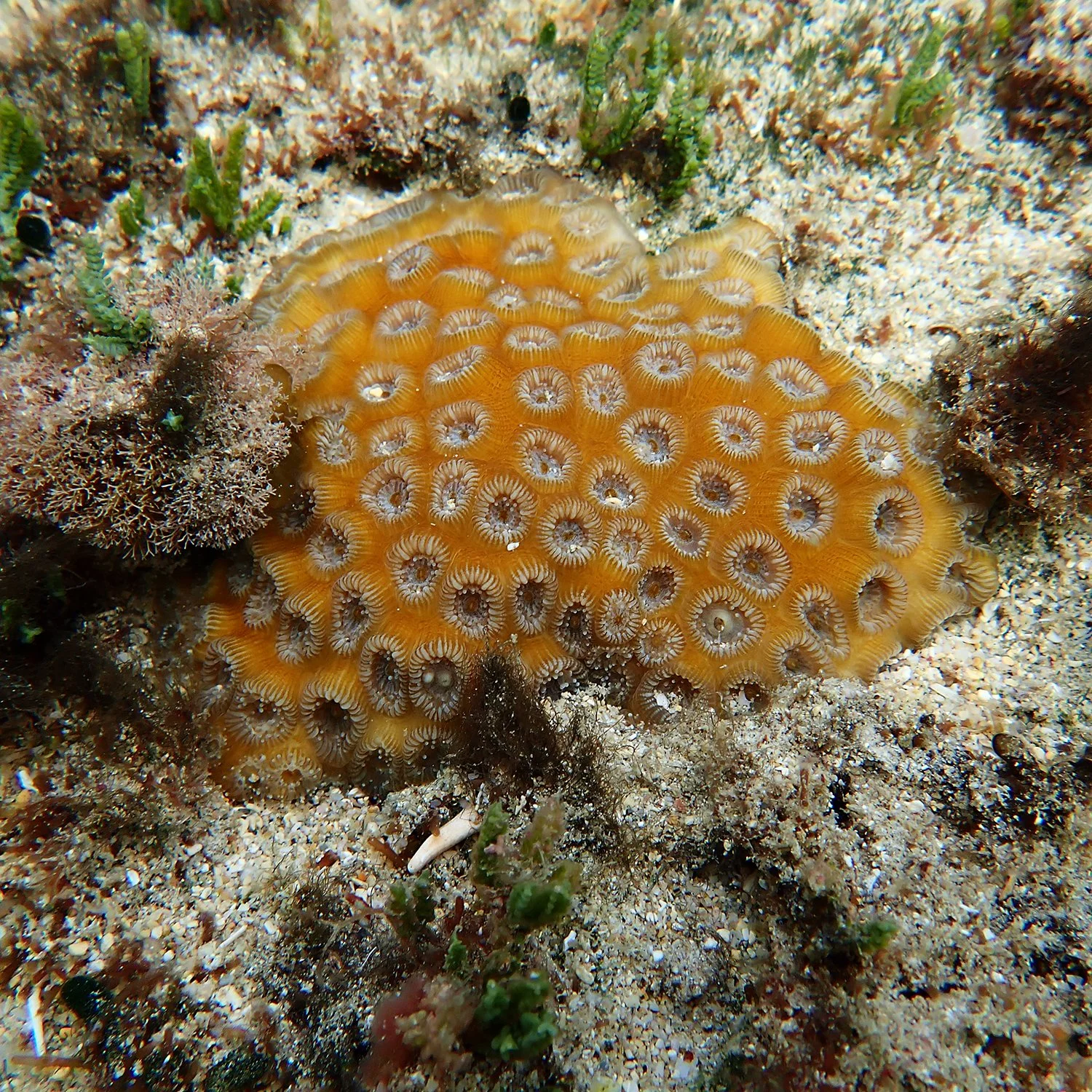
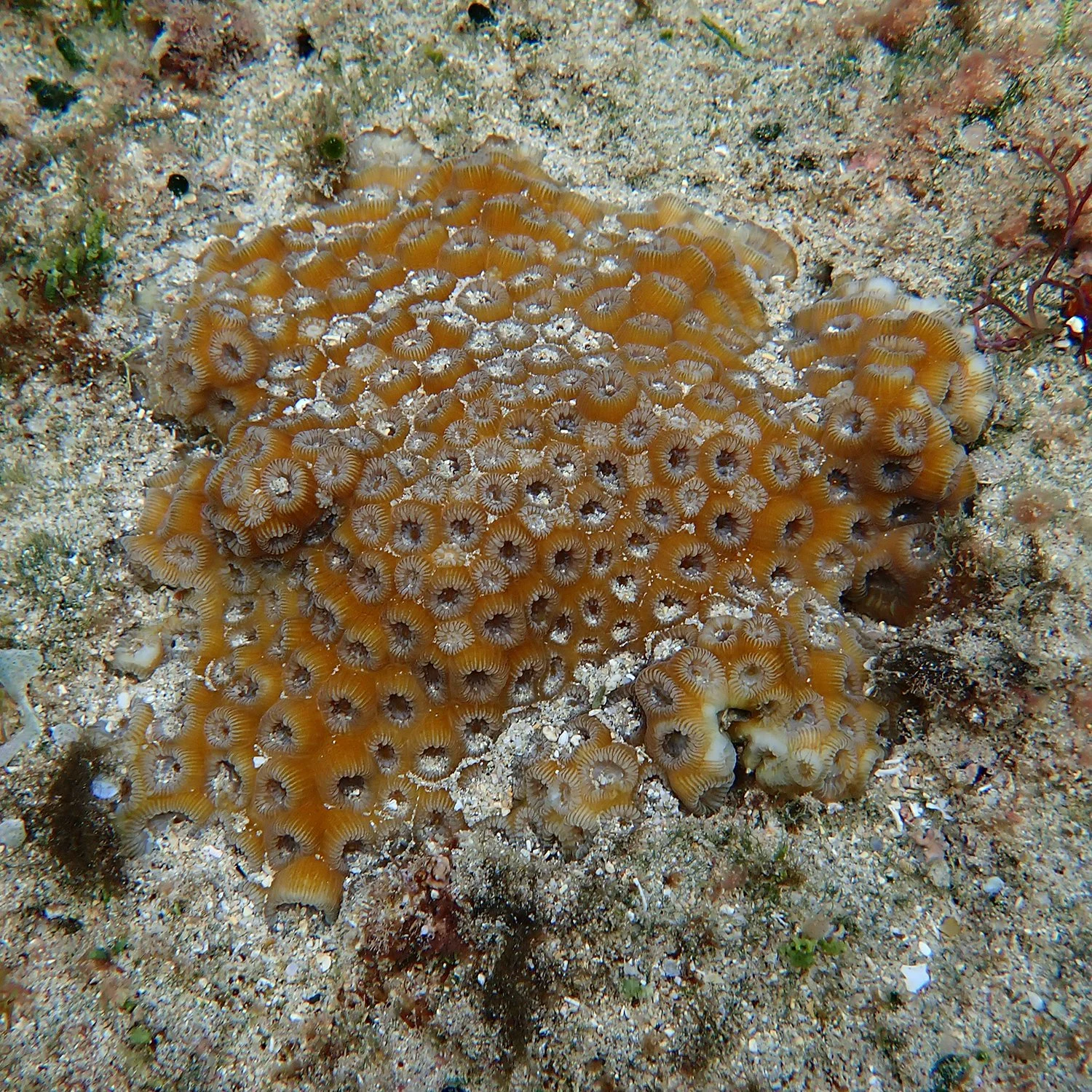
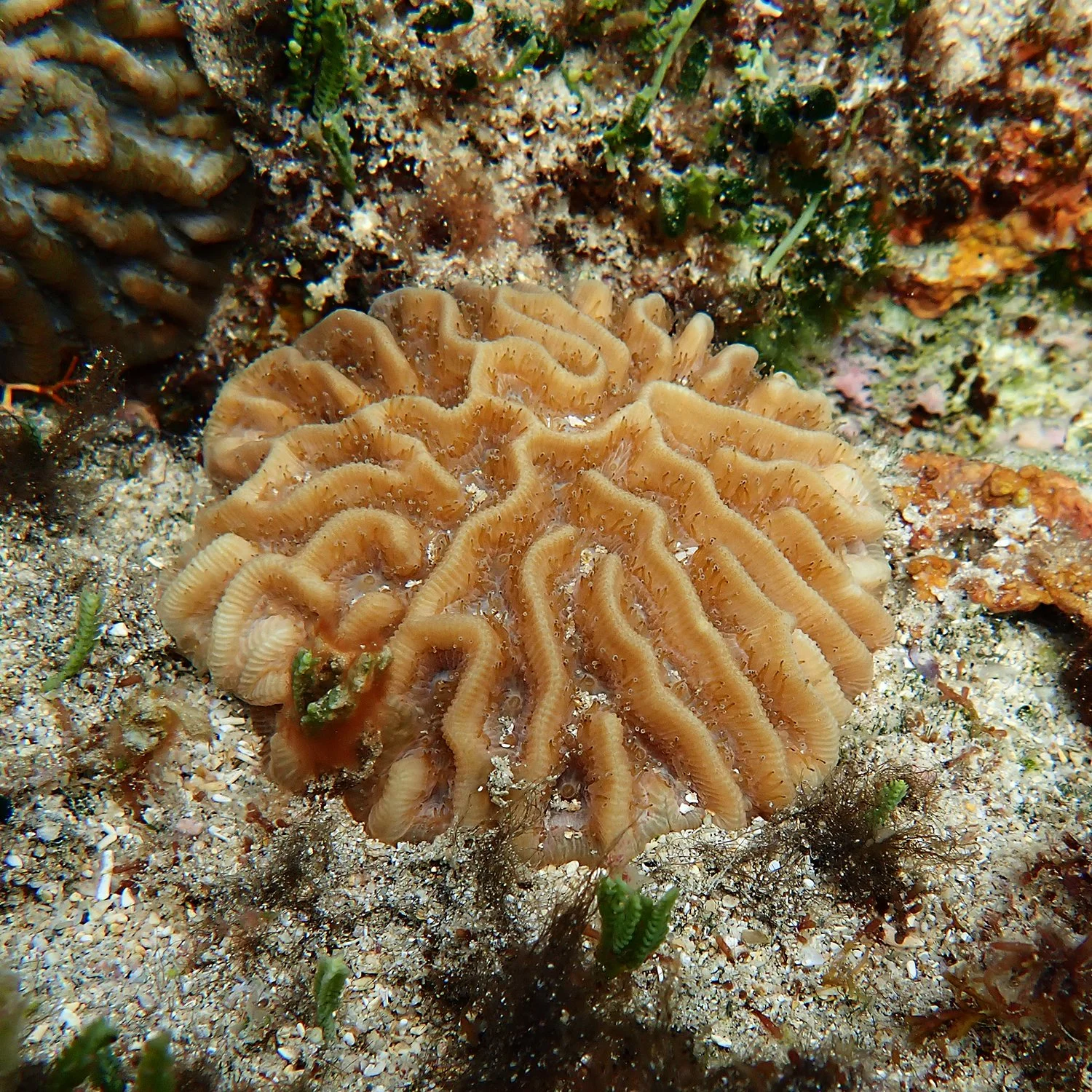
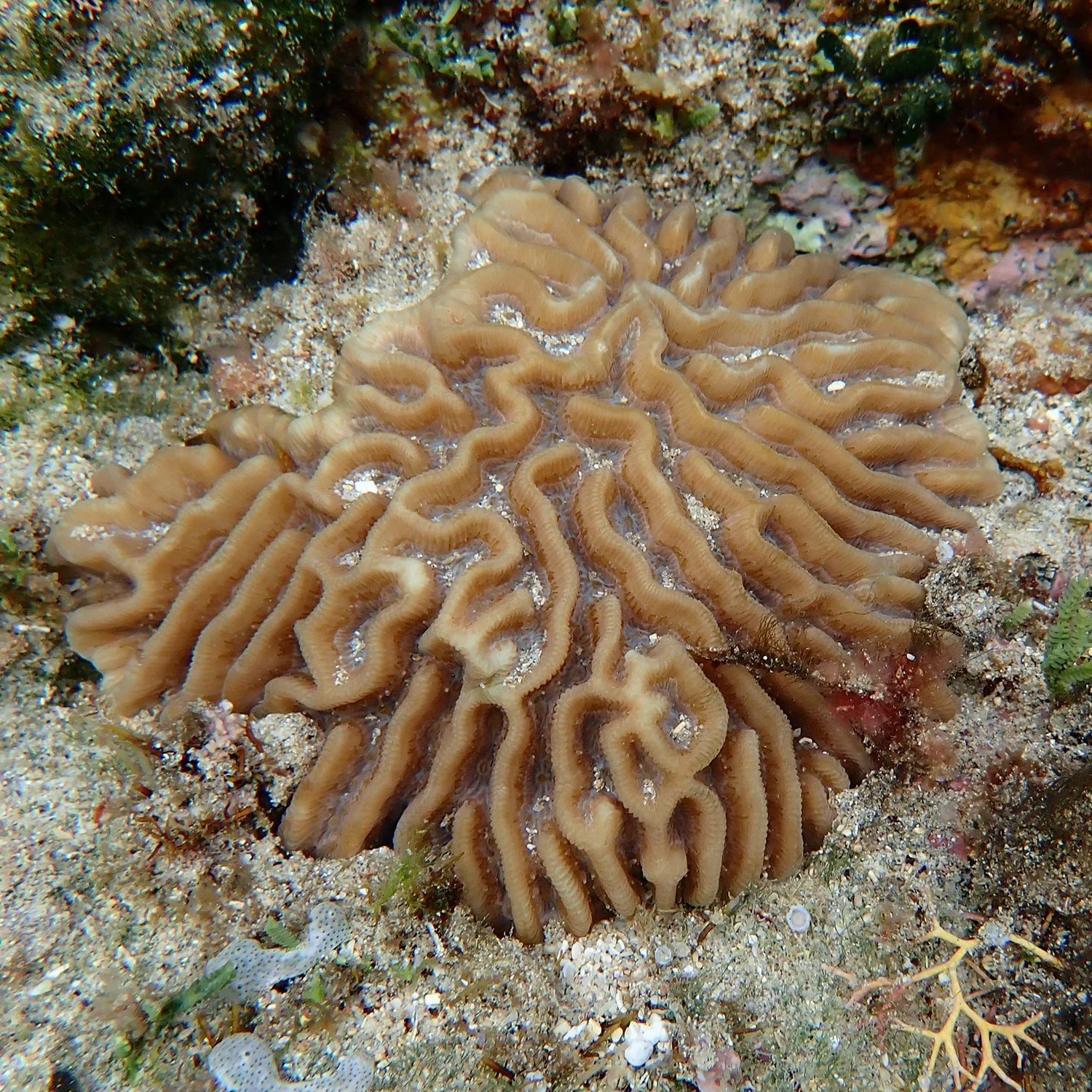
These Montipora colonies had a particularly difficult year in 2024.
In April, extensive bleaching was visible across the colonies. I followed their very slow recovery, although even in September, some of the corals were still very pale. By November, there had been a noticeable improvement, with colour returning to several colonies.
Not all of them survived, though. Some portions of the Montipora died, even as others recovered.
I think this is an important sequence because people sometimes assume that a white coral is a dead coral. But bleaching doesn't necessarily mean death. If conditions improve, surviving corals may gradually regain their colour and recover, although the process can take months and the outcome is far from guaranteed. These photographs show both sides of that story.
Through the wringer
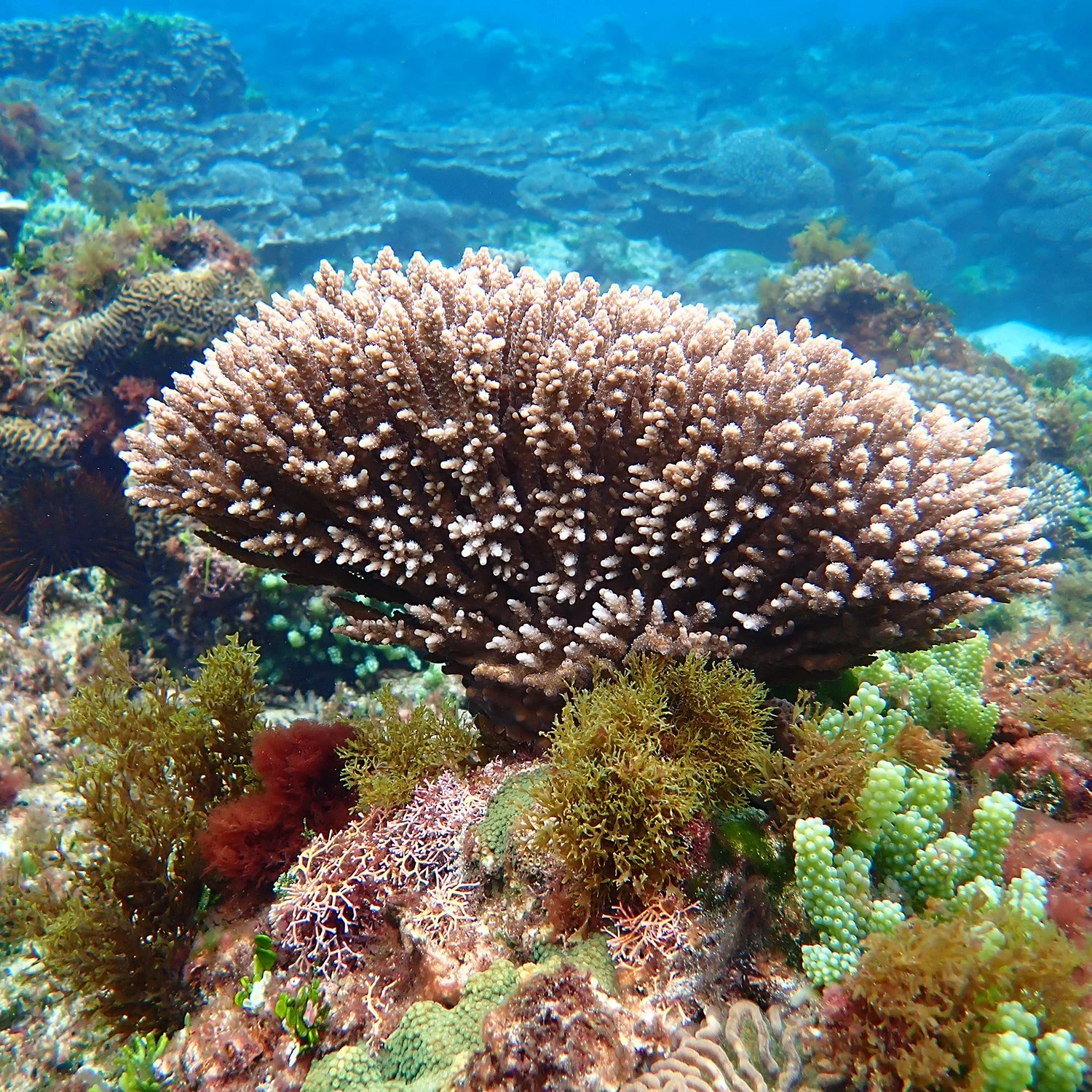
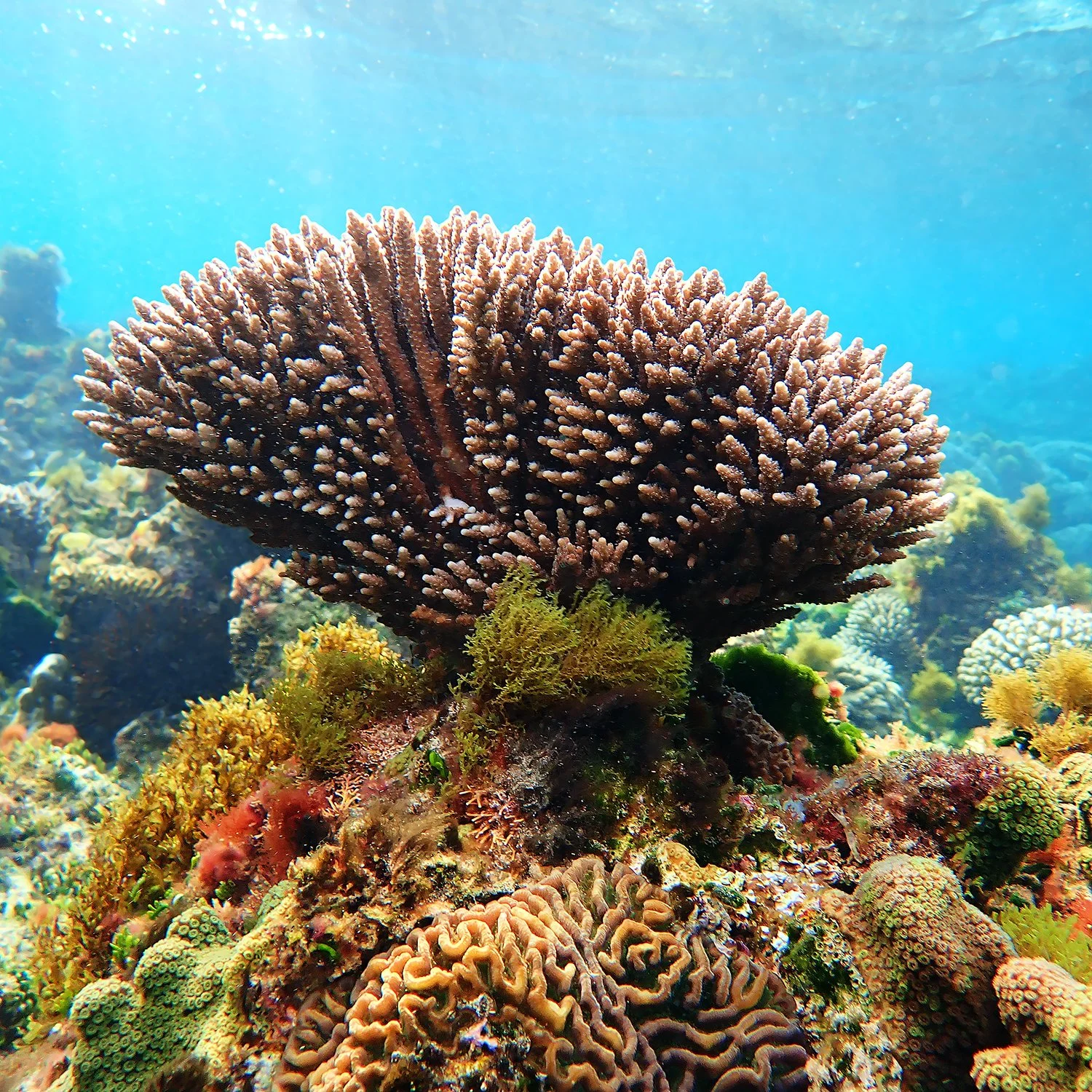
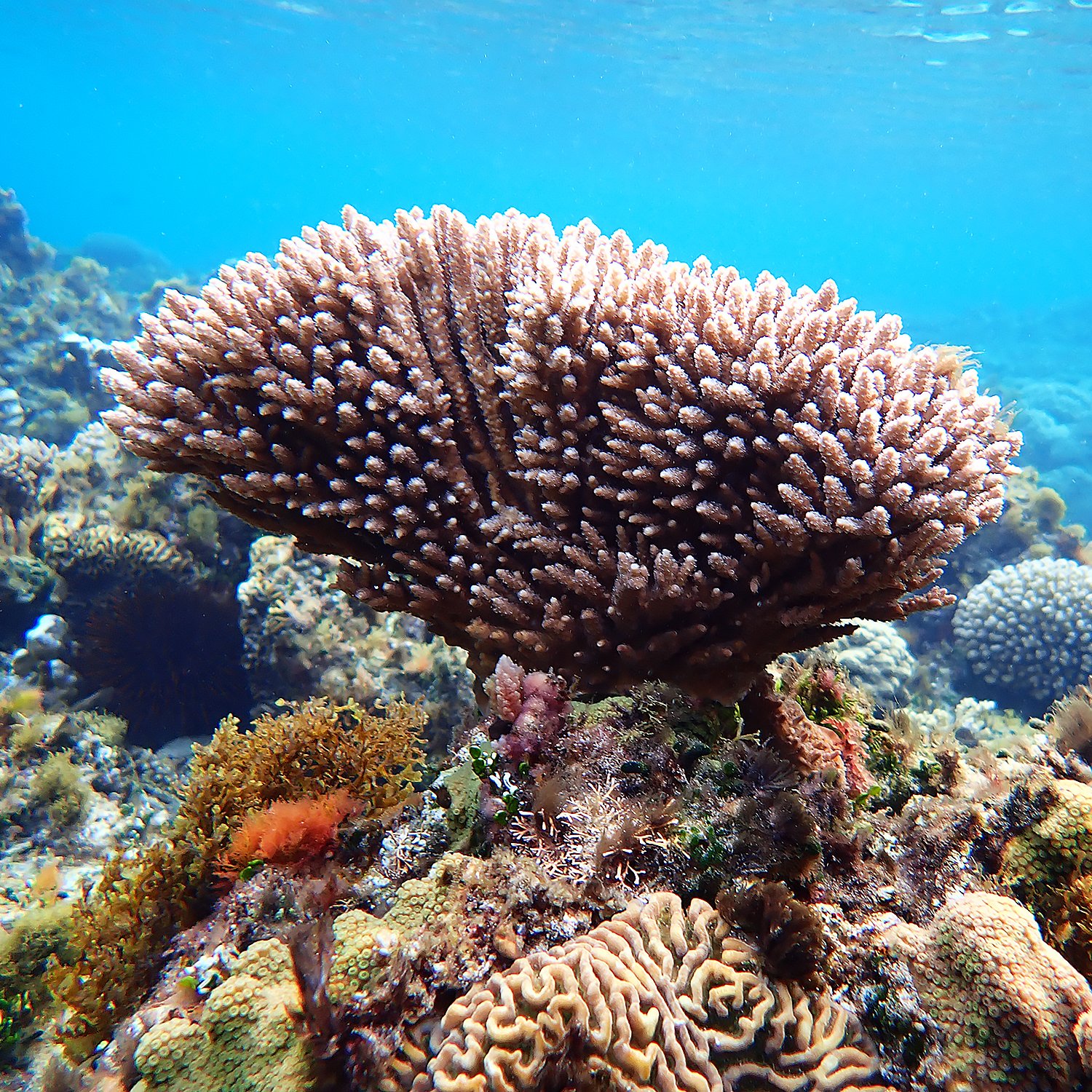
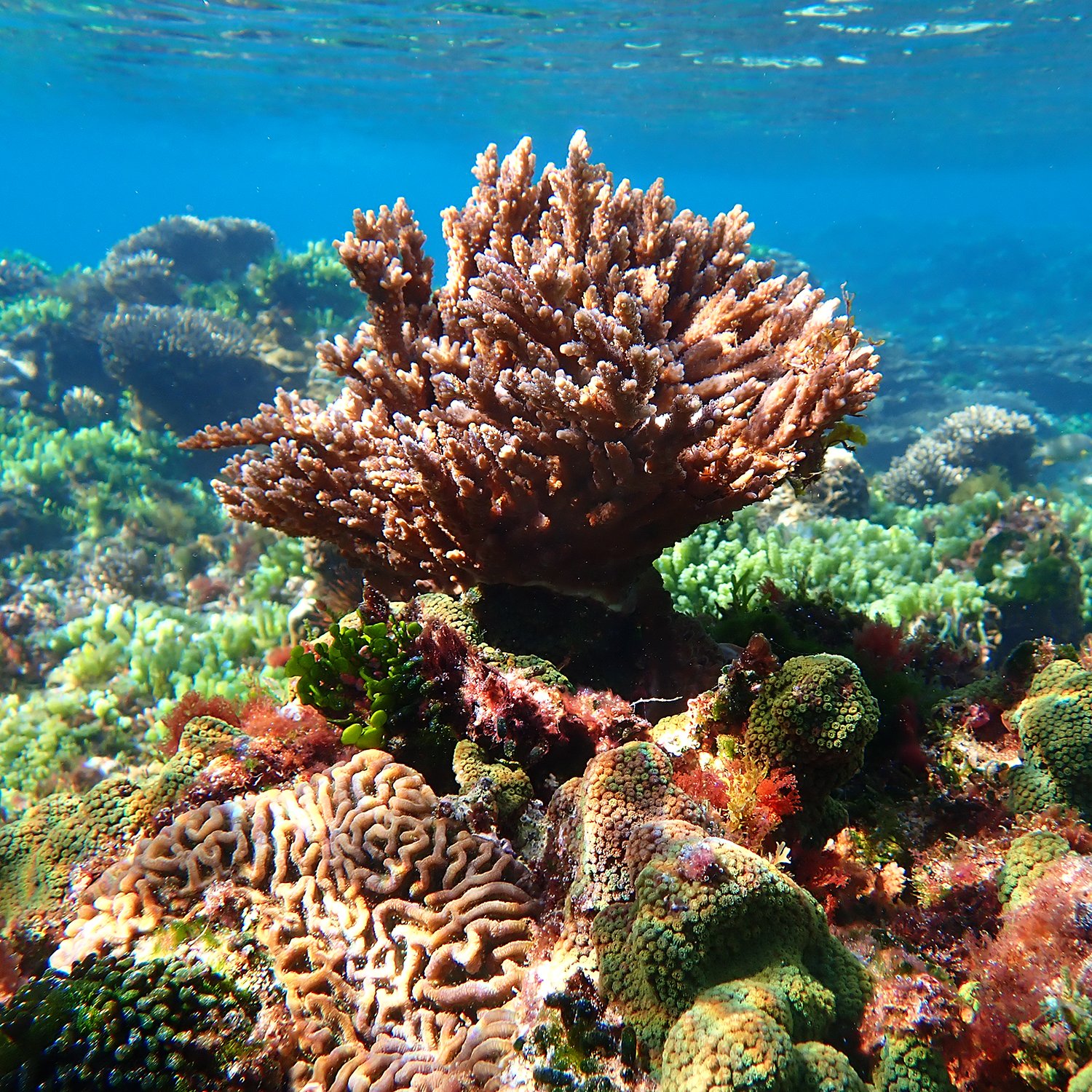
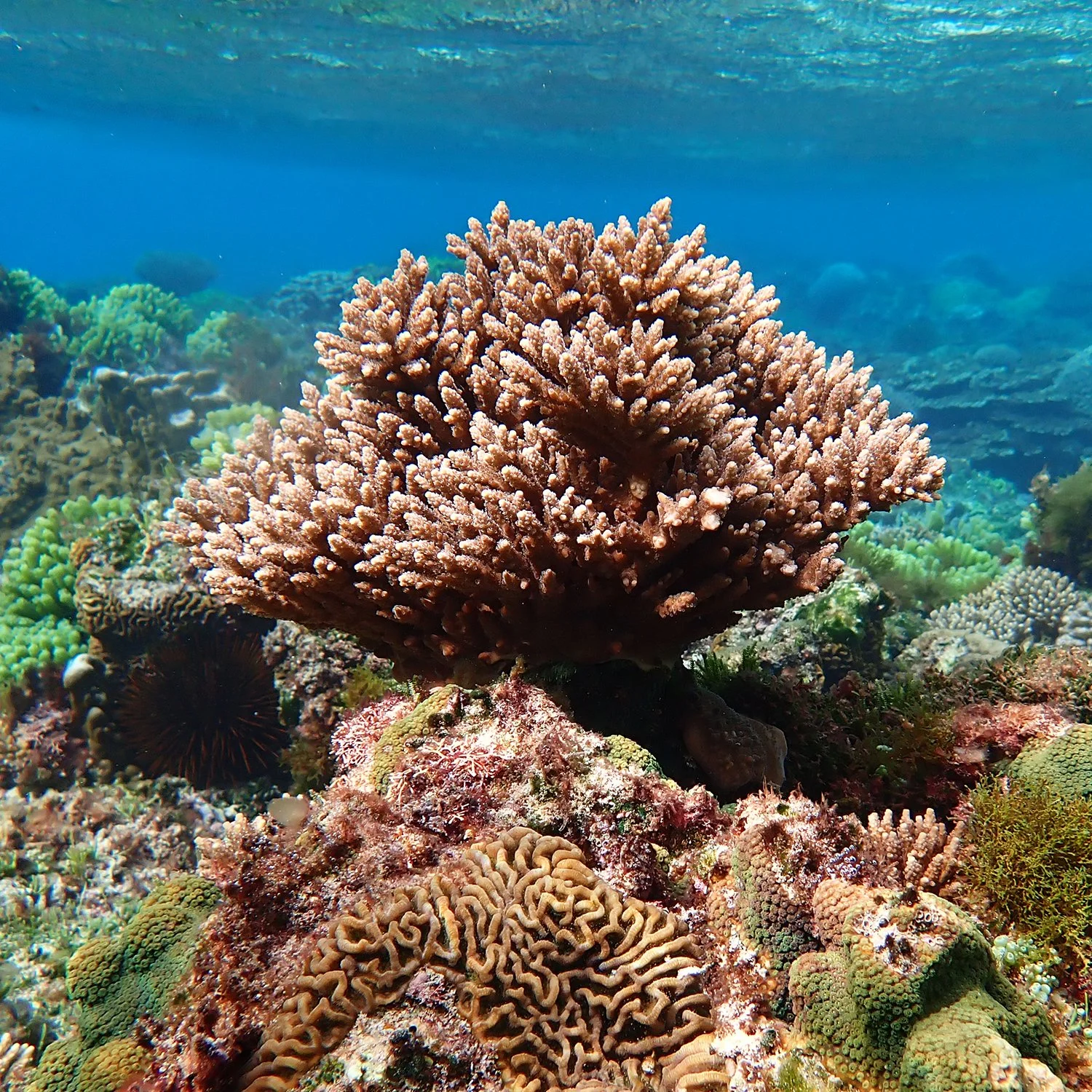
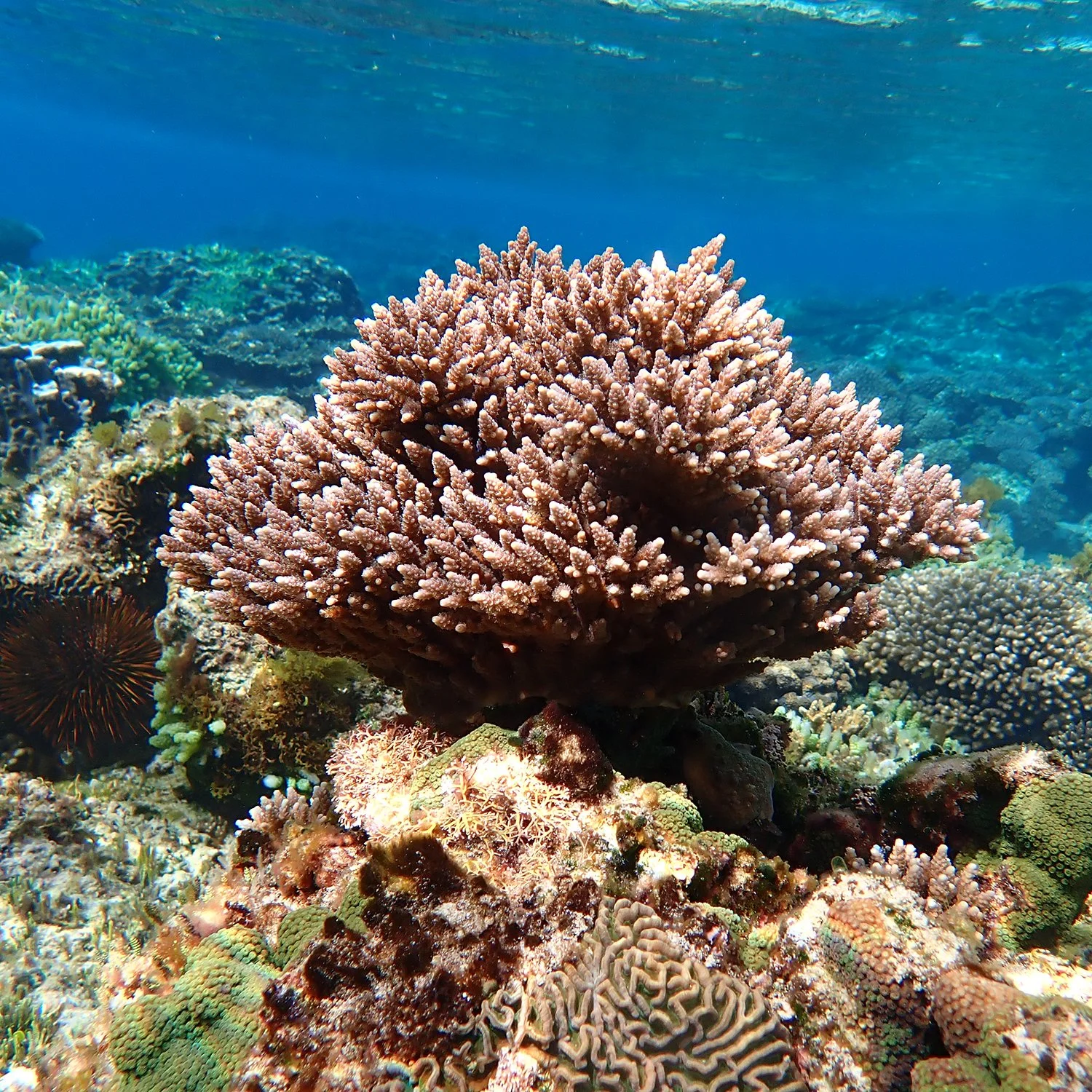
This next colony has certainly had its ups and downs!
I’ve included six photographs, beginning in July 2024 and ending in August 2026. You can see why it caught my eye in that first photograph. It was a beautiful example of a bushy little Acropora.
Then a few bits broke off. By June 2025, it was looking decidedly gnarly – a shadow of its former self. I must confess there were periods when I wasn’t particularly optimistic about its future. Since then, though, it has rallied. While its overall shape is quite different from how it looked two years earlier, it has recovered considerably and is looking pretty good again.
This is why I find it so interesting to keep returning to the same corals. Had I photographed it only during one of its less encouraging periods, I might have come away with a very different impression of its prospects.
Making the best of being upside down
24 September 2020
14 November 2024
23 July 2026
I particularly like this sequence, because the story starts with an overturned Acropora.
The first photograph, from September 2020, shows the upturned structure. This can happen when we get storm surges or big seas. Within a year, new growth had begun. By June 2025, living coral had developed extensively around it, and by October 2026 there was even more growth.
Rather than simply disappearing from the reef or becoming overrun by opportunistic algae, the overturned structure has become part of a growing, increasingly complex habitat. Those overlapping plates and branching structures now provide all sorts of little sheltered spaces for reef animals.
It hasn’t returned to its original position or shape, but it’s a lovely example of how physical damage doesn’t necessarily mean the end of the story.
Room for a few more fish
7 April 2023
30 July 2026
And finally, one of my favourite growth comparisons.
These photographs were taken in April 2023 and July 2026. On the left is a branching Acropora, while on the right is a tabling colony.
Both have grown considerably, and the space between them has narrowed as their branches and plates have extended. As colonies like this develop, they also create new habitats for the many other animals that share the reef. I love all those little hidey-holes that have developed. If I were a small reef fish looking for somewhere to shelter, I’d certainly be investigating them!
Still growing
I wish I could say that these encouraging stories were representative of everything I’ve observed around the lagoon over the past six years. They aren’t. I’ve documented far too much coral loss for that. But I certainly don’t want to overlook the survivors, the recoveries or the colonies that have grown spectacularly.
A reef is constantly changing, and growth and recovery are as much a part of that story as disease and mortality. One of the pleasures of returning to the same places year after year is that sometimes, when I swim around a familiar corner, I find that an old acquaintance has been getting on with the job and flourished. And that’s always a lovely thing to see.