
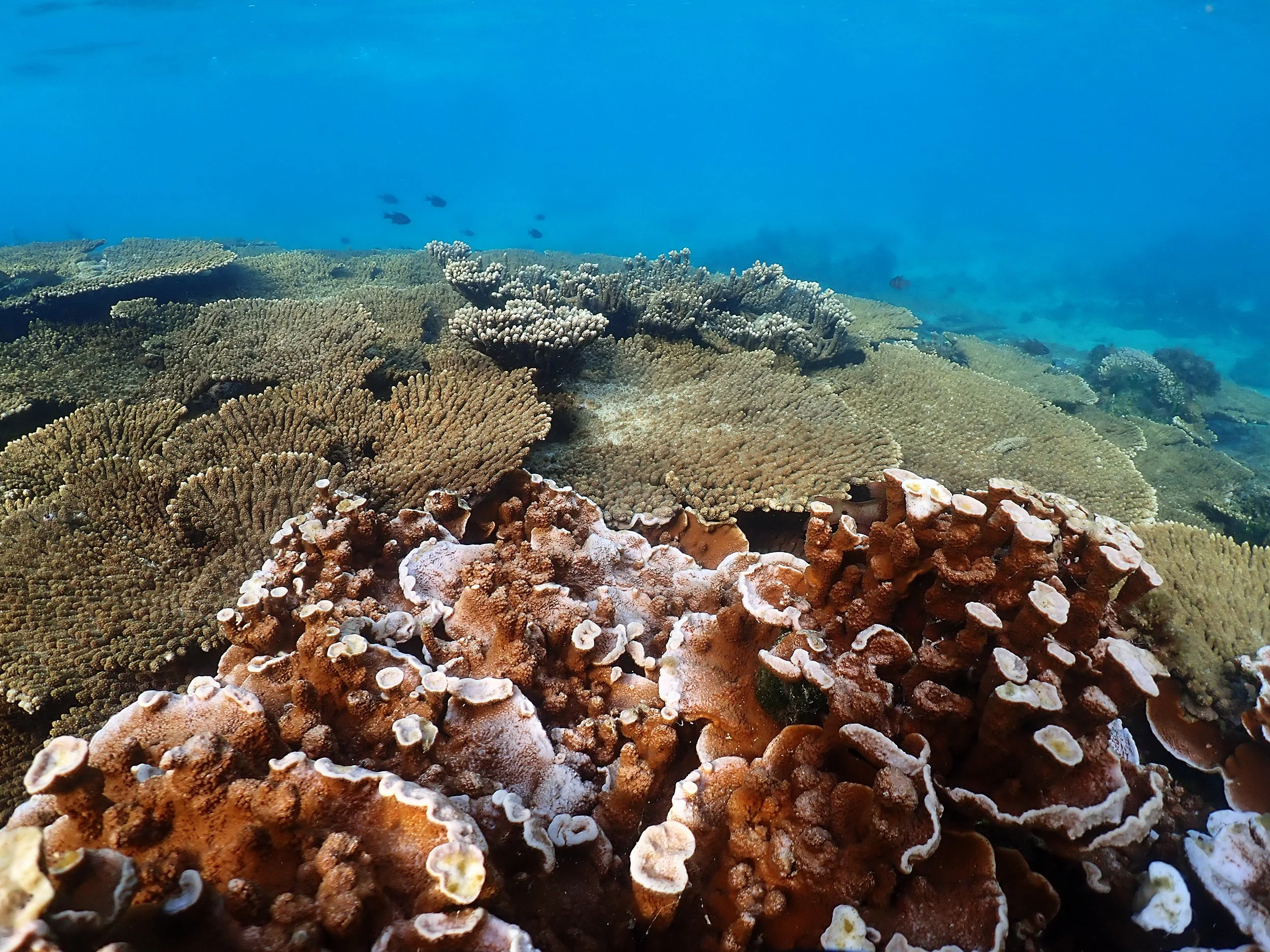
In April, I wrote to the Minister for the Environment and Water, Senator Murray Watt, after looking more closely at how the Kingston Pier dredging project was assessed. My concern was that a Public Environment Report (PER) may have been too limited an assessment pathway for an infrastructure project that will take place beside a shallow, unusual and already stressed reef system such as ours in the Kingston Lagoon, and that a more intensive Environmental Impact Statement (EIS) may have been warranted instead.
Part of that concern centred on the Protected Matters Search Tool, or PMST – the Australian Government’s standard EPBC screening tool. It is useful as far as it goes, but it is not a full biodiversity inventory, and it is not designed to show everything that may matter ecologically at a site. I wrote more about that in an earlier post: What Norfolk Island’s reef tells us about environmental blind spots.
On 21 May I received a reply from Ms Kate Gowland, writing on the Minister’s behalf, and I have now responded to that in turn.
For me, the most important part of the Department’s reply is that it confirms the Norfolk reef system and its benthic and endemic reef values do not appear in the PMST in their own right because they are not protected matters in themselves. This is the structural issue I was trying to draw attention to in the first place.
I am publishing this correspondence (as an image, below, and as a PDF, here) because I think people should be able to see the exchange for themselves. It is something we need to be aware of, not only here on Norfolk Island but also more broadly in Australia, whenever infrastructure projects are being assessed in places whose ecological value may not be fully captured by the usual frameworks.